- 1401 Avocado Ave, Suite 104 Newport Beach, CA 92660,
- (949) 640-1320
- info@newportrx.com
- Monday - Friday: 9:00am-6:00pm | Saturday: 9:00am-2:00pm | Closed Sunday & Major Holidays

Managing thyroid medications correctly is essential for maintaining hormone balance and overall health. Whether you are being treated for hypothyroidism or hyperthyroidism, proper thyroid medication management ensures effective symptom control, prevents complications, and supports long-term thyroid health.

Thyroid hormone replacement is commonly prescribed for people with hypothyroidism. The most widely used medication is levothyroxine, a synthetic form of the T4 hormone. This treatment restores normal hormone levels, helping relieve symptoms such as fatigue, weight gain, cold sensitivity, and depression.
Many patients rely on trusted providers like Newport Beach Pharmacy to ensure accurate dispensing, expert guidance, and consistent medication quality. Thyroid hormone therapy is typically lifelong, making correct dosage and consistent use vital for long-term success.
Levothyroxine dosage varies depending on age, weight, medical history, and individual thyroid hormone needs. Doctors regularly monitor TSH levels through blood tests to adjust dosage and ensure optimal hormone balance. Taking thyroid medication correctly means consuming it on an empty stomach, ideally 30–60 minutes before breakfast, with water. Consistent timing improves absorption and maintains steady hormone levels.
Avoid taking thyroid medicine alongside calcium, iron supplements, soy products, or high-fiber foods, as they can interfere with absorption. Maintaining a consistent dosing schedule ensures maximum effectiveness and stable thyroid hormone levels.
Recent Post
Hypothyroidism treatment focuses on replacing deficient hormones, while hyperthyroidism medication aims to reduce excessive hormone production. In some cases, Bioidentical Hormone Replacement Therapy may be recommended as a personalized approach to restoring hormonal balance using hormones that closely match those naturally produced by the body.
Common medications for hyperthyroidism include antithyroid drugs that regulate thyroid activity. Proper hyperthyroidism management involves regular monitoring, symptom tracking, and dosage adjustments guided by an endocrinologist.
In both conditions, medication adherence is critical. Missing doses or altering treatment without medical advice can lead to hormonal imbalances and serious health complications.
Routine thyroid function tests and TSH level monitoring help evaluate medication effectiveness. These tests allow doctors to make timely dosage adjustments and prevent under- or over-treatment.
Some people may experience side effects of thyroid medication, including palpitations, anxiety, weight changes, sleep disturbances, or digestive issues. Reporting these symptoms early helps healthcare providers optimize treatment and minimize discomfort.
Certain medications and supplements can interact with thyroid medicine, including antacids, cholesterol-lowering drugs, antidepressants, and calcium supplements. Always inform your doctor about all medicines you take to prevent adverse interactions.
Fasting before medication, maintaining consistent eating habits, and avoiding sudden dietary changes contribute to better absorption and effectiveness. Lifestyle habits such as stress management, adequate sleep, and balanced nutrition also support thyroid hormone balance.
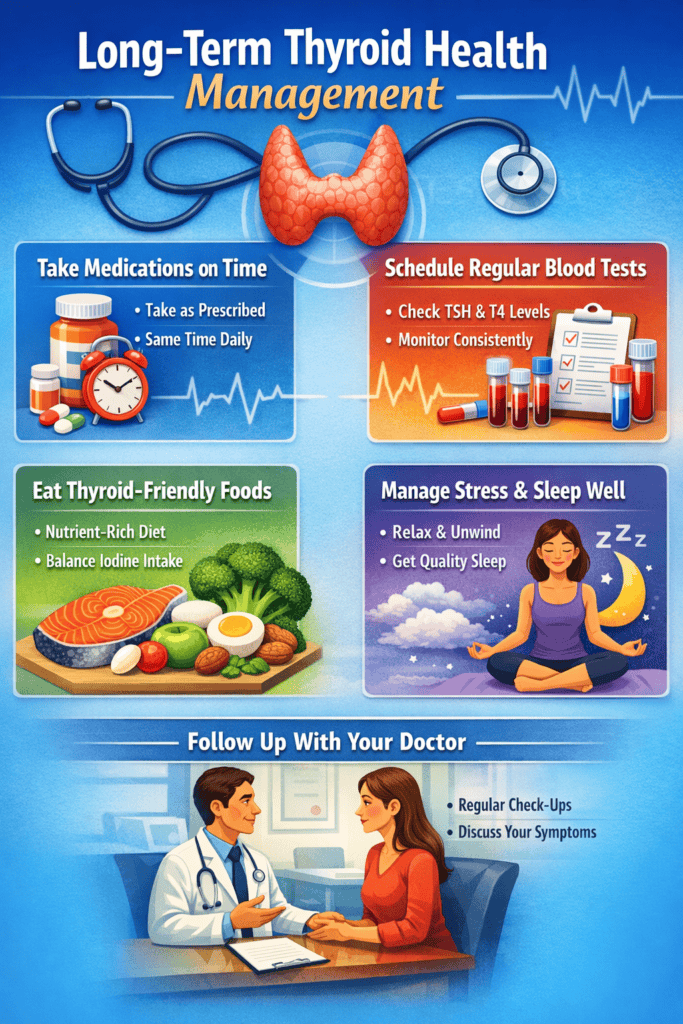
Long-term thyroid treatment requires regular blood testing, medication adherence, and periodic endocrinologist guidance. Patients should never stop or change their medication without professional advice. Proper long-term management improves energy levels, metabolism, heart health, and overall quality of life.
Looking for effective thyroid medications and expert guidance? Newport Beach Pharmacy provides high-quality prescriptions, personalized support, and reliable medication management to help you maintain optimal thyroid health. They will ensure accurate dosing, medication counseling, and ongoing care tailored to your needs. Contact us today by calling (949) 640-1320 to ensure your pet stays healthy and your thyroid treatment stays on track.
Frequently Asked Questions
How should thyroid medication be taken for the best results?
Take thyroid medication once daily on an empty stomach, 30–60 minutes before breakfast, with water. Avoid food, coffee, and supplements during this time to ensure proper absorption.
How long does it take for thyroid medication to start working?
Symptoms often improve within 1–2 weeks, but full hormone balance may take 4–6 weeks. Regular blood tests help confirm proper dosage and effectiveness.
What foods or medications interfere with thyroid medicine?
Calcium, iron supplements, antacids, soy products, high-fiber foods, and certain medications can reduce absorption. These should be taken at least 4 hours apart from thyroid medication.
What happens if I miss a dose of thyroid medication?
Take the missed dose as soon as you remember, unless it’s close to your next dose. Do not double the dose, as frequent missed doses may cause hormone imbalance.
How often should thyroid levels be checked while on medication?
Levels are usually checked every 6–8 weeks after starting or adjusting treatment, then every 6–12 months once stabilized.