- 1401 Avocado Ave, Suite 104 Newport Beach, CA 92660,
- (949) 640-1320
- info@newportrx.com
- Monday - Friday: 9:00am-6:00pm | Saturday: 9:00am-2:00pm | Closed Sunday & Major Holidays

Parasite-borne diseases such as heartworm, Lyme disease, and intestinal parasites pose serious health risks to pets and, in some cases, humans. With the right prevention strategies, medications, and routine care, these conditions are highly preventable.
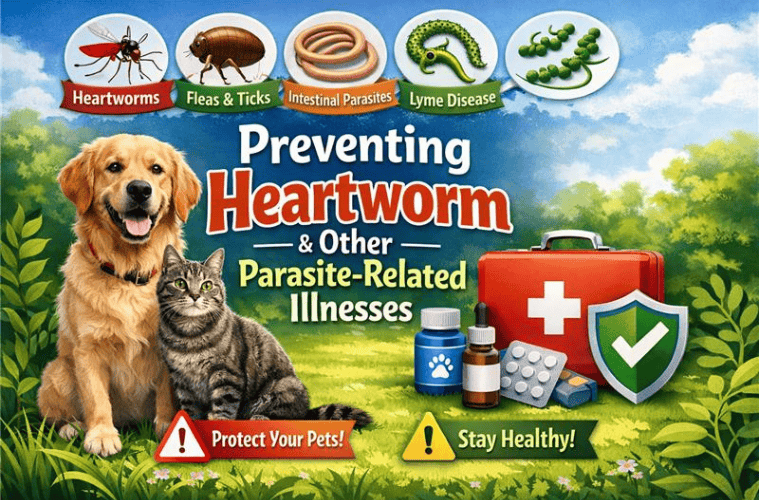
Parasite-borne diseases are illnesses caused by parasites such as worms, fleas, ticks, and mosquitoes. These parasites transmit infections that can damage the heart, lungs, intestines, skin, and immune system if left untreated. Common parasite-borne diseases include:
Early prevention is far more effective and affordable than treating advanced infections.
Heartworm disease is transmitted through mosquito bites. Once infected, heartworms grow and multiply in the heart and lungs, leading to severe respiratory issues, organ damage, and even death.
Recent Post
Pets living in warm or coastal areas face a higher risk, making year-round prevention essential. Regular screening and preventive medication are the most reliable defenses against heartworm infection.
Trusted pharmacies such as Newport Beach Pharmacy provide access to high-quality preventive treatments prescribed by professionals. When combined with proper veterinary guidance, preventive medications significantly reduce the risk of parasite-borne diseases
Monthly preventive medications are the foundation of parasite protection. These treatments kill larvae before they mature and block parasites from establishing infections
Preventing parasite-borne diseases requires professional oversight. Veterinary medicine plays a critical role in diagnosing risks, prescribing the right medications, and monitoring your pet’s health over time.
Veterinarians tailor parasite prevention plans based on:
This personalized approach ensures both safety and effectiveness.
1. Use Year-Round Preventive Treatments
Heartworm and parasite prevention should continue throughout the year, even in cooler months, as mosquitoes and parasites can survive indoors.
2. Schedule Regular Veterinary Checkups
Annual testing helps detect infections early and ensures preventive medications remain effective.
3. Control Fleas, Ticks, and Mosquitoes
Use flea and tick preventives and reduce standing water around your home to limit mosquito breeding
4. Maintain a Clean Living Environment
Regularly clean pet bedding, grooming tools, and outdoor spaces to reduce parasite exposure.
Watch for early warning signs such as:
Prompt veterinary care can prevent complications.
Preventing heartworm and other parasite-borne diseases protects your pet’s health, reduces long-term medical costs, and ensures peace of mind. By combining preventive medications, professional veterinary care, and a clean environment, you can significantly reduce the risk of serious infections.
Get expert guidance and reliable heartworm and parasite-prevention medications from Newport Beach Pharmacy. Contact us today by calling at (949) 640-1320 to ensure your pet stays healthy year-round.
Frequently Asked Questions
The most effective way to prevent heartworm disease is through monthly preventive medication prescribed by a veterinarian, combined with regular testing.
Natural methods alone are not reliable. Vet-approved preventive medications remain the safest and most effective option for heartworm prevention.
Most veterinarians recommend heartworm testing once a year, even for pets on preventive medication.
Some parasite-borne diseases can affect humans, especially children, making pet parasite prevention an important public health measure.
Yes. Indoor pets are still at risk due to mosquitoes, fleas, and accidental exposure, so year-round prevention is recommended.